You’ve built a brand people love. Your Shopify store looks great, your followers show up, and the sales come in. However, keeping those shoppers coming back still depends on ad spend, algorithms, and whether your emails land in the promotions tab. That’s why so many sellers start looking into a Shopify mobile app. It sounds like the obvious next step, and in many ways it is.
Still, sellers who’ve launched one tend to discover the same thing: the app itself isn’t the win. What happens inside it is. Here’s what online sellers are actually finding after launch, and how to set yours up to become a habit instead of a forgotten icon on someone’s phone.
What a Shopify Mobile App Actually Does (and Doesn’t) Do
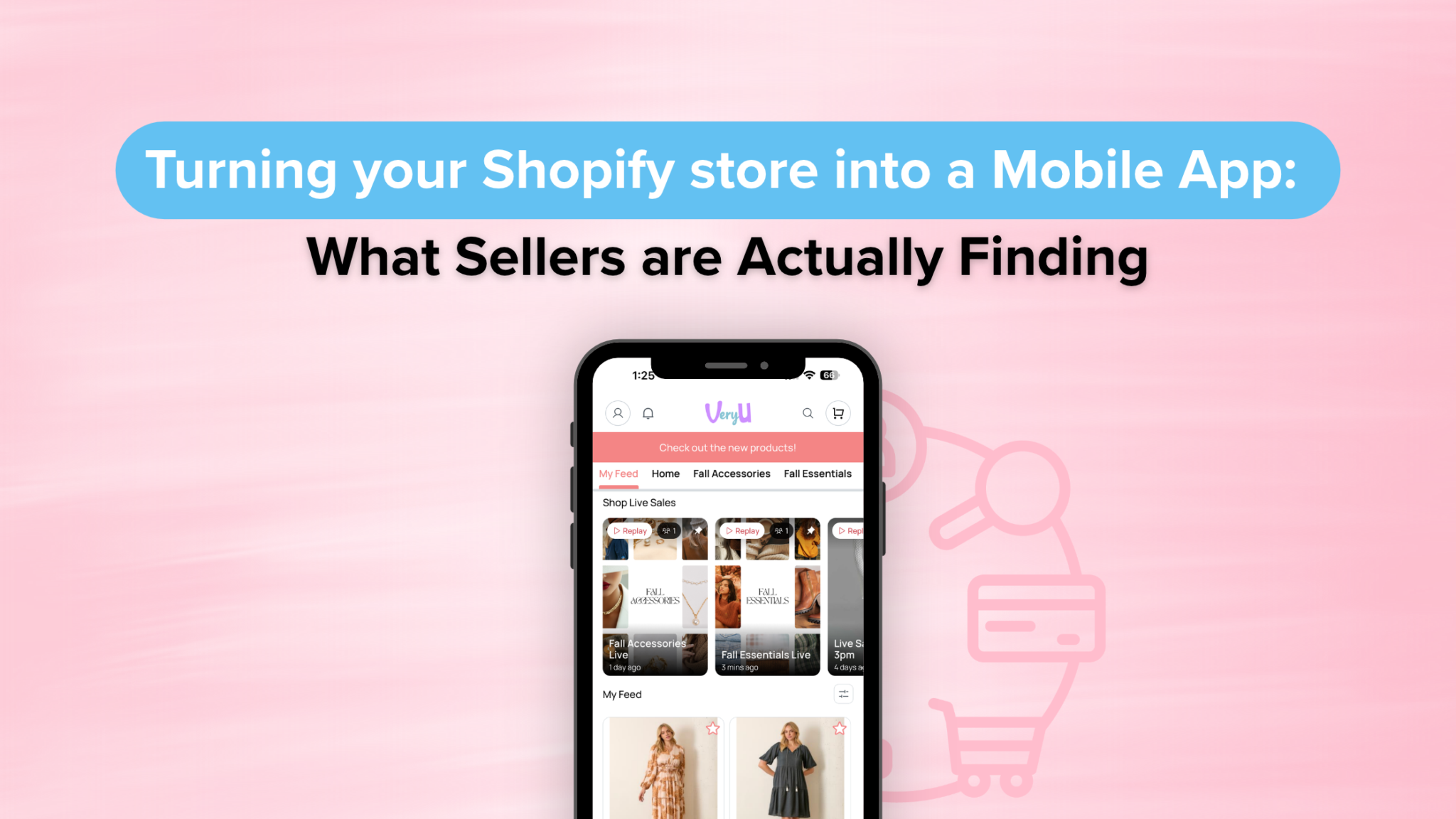
A Shopify mobile app is a branded app that lets customers browse and buy from your store on their phone, with your logo right on their home screen. Most versions pull your products from Shopify and add features the mobile web can’t offer, like push notifications and saved logins.
Mobile is already where your customers shop. In fact, eMarketer forecasts that mobile will account for the majority of US retail ecommerce sales starting in 2027. In other words, meeting shoppers on their phones is no longer optional.
That said, not all apps are built the same. Sellers generally run into two kinds:
- Storefront wrappers: your website, repackaged for the App Store. They’re easy to launch, but the experience mirrors what shoppers already get in a browser.
- Full commerce apps: built around engagement, with live shopping, exclusive drops, waitlists, and perks that only exist in the app.
The difference matters more than most sellers expect. A wrapper gives shoppers a new place to do the same thing, while a full commerce app gives them a reason to show up.
Finding #1: Downloads Are Easy, Habits Are Hard
Getting followers to download your app is usually the easy part. Getting them to open it again next week is where most sellers stall.
Your most loyal customers will download on day one, especially if you announce it during a live or offer a first-order perk. As a result, early numbers often look exciting. Then usage quietly drops once the novelty wears off.
Sellers who keep engagement high tend to do a few things consistently:
- Give shoppers app-only moments. Early access, app-exclusive pricing, or first dibs on new arrivals.
- Show up on a schedule. Consistent live shows or drop days train shoppers to check in.
- Make checkout effortless. Saved payment info and quick checkout remove the friction that kills impulse buys.
- Promote the app everywhere. Mention it in lives, social posts, packing slips, and order emails.
In short, an app isn’t a “set it and forget it” channel. It’s a relationship tool, and it works best when you treat it like one.
Finding #2: Push Notifications for Ecommerce Change the Math
Push notifications are the biggest reason sellers say their app pays off. They put your message directly on a shopper’s lock screen, with no algorithm or crowded inbox in the way.
Think about how you reach customers today. Social reach depends on the algorithm, ads cost more every quarter, and email competes with dozens of other brands. [Push notifications](link to: push notification strategy for online sellers), on the other hand, are an owned channel. Once a shopper opts in, you can reach them for free whenever you have something worth sharing.
That’s also why apps drive repeat buying. 60% of first-time mobile app shoppers return to buy again. For a Shopify brand trying to lean less on paid ads, that’s a meaningful shift.
The sellers seeing the best results use push strategically:
- Going-live alerts that bring shoppers in the moment a show starts
- Restock and waitlist alerts for items that sold out
- Limited-time drops and app-exclusive promos
- Abandoned cart reminders
Equally important, they don’t overdo it. A few well-timed notifications a week tend to outperform daily blasts that train people to swipe them away.
Finding #3: The Best Shopify Mobile App Gives Shoppers a Reason to Come Back
The apps that perform best aren’t just catalogs. They’re destinations, with live shopping and fresh content shoppers can’t get anywhere else.
This is where many Shopify sellers hit a wall. Shopify is excellent at running a storefront, but it wasn’t built for live selling or the kind of real-time interaction that turns browsers into regulars. Consequently, sellers who settle for a basic Shopify mobile app often end up with a nicer version of their website and not much else.
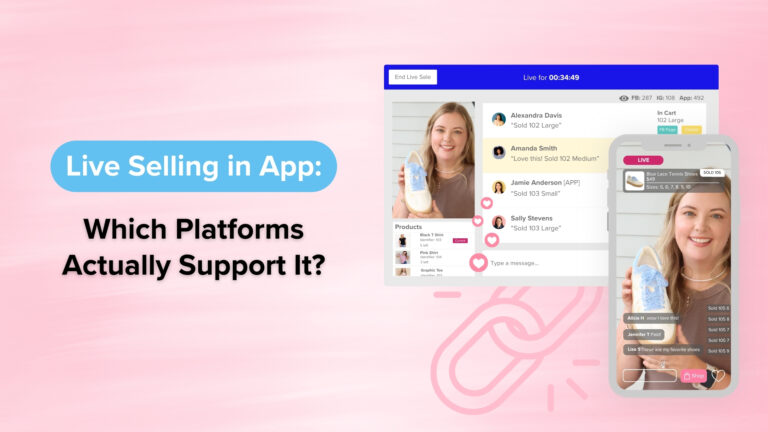
[Live selling](link to: live selling for online sellers guide) changes that dynamic. Live selling converts at 9–30%, compared to just 2–3% on traditional storefronts. When shoppers can watch you style a piece, ask questions in real time, and buy before it sells out, your app becomes appointment viewing.
Short-form video fills the gaps between shows. For example, CommentSold’s PopClips let shoppers browse quick, shoppable product videos right in the app, so there’s always something new to watch and buy. Combined with live shows and push alerts, the app stops being a storefront and becomes part of your customers’ routine.
How to Choose a Branded Mobile App Without Rebuilding Your Store
Look for a branded mobile app that adds engagement features on top of Shopify, rather than replacing the setup you’ve already built.
The biggest worry most established sellers have is disruption. You’ve spent years building your store, your catalog, and your fulfillment process. Fortunately, adding an app shouldn’t mean starting over. Use these questions to compare Shopify mobile app options:
- Does it sync with your Shopify inventory? Products and stock should stay accurate across every channel without manual updates.
- Does it support live selling inside the app? If live is part of your growth plan, it belongs where your most loyal shoppers already are.
- How flexible are the push notifications? Look for scheduling, segmentation, and automated alerts like restocks and live reminders.
- Is it fully branded? Your name, your logo, and your look, not the platform’s.
- What does the full cost look like? Factor in the app plus every plugin you’d need to match its features.
CommentSold was built for exactly this kind of expansion. The MSM integration for CommentSold + Shopify users keeps your products and inventory in sync, so you can add a branded app, live selling, and push notifications while Shopify continues to power your website. Think of it as adding a new revenue channel, not replacing the one that already works.
Frequently Asked Questions
Is a Shopify mobile app worth it for a smaller online store?
For many sellers, yes, especially once you have an engaged following that buys more than once. An app gives you a direct line to those shoppers through push notifications, which reduces your reliance on ads and algorithms. The payoff is biggest when the app offers something your website doesn’t, like live shopping or exclusive drops.
Will my customers actually download my app?
Your most loyal customers usually will, particularly if you promote it during lives and offer an app-only perk. The bigger question is whether they keep using it. That comes down to consistent live shows, fresh content, and well-timed push notifications.
Do I have to leave Shopify to launch a mobile app?
No. Platforms like CommentSold integrate with Shopify, so your products and inventory stay in sync. You can keep Shopify as your website and add a branded app, live selling, and push notifications alongside it.
How do push notifications help increase sales?
Push notifications reach shoppers directly on their phones without relying on algorithms or ad spend. Sellers use them to announce live shows, restocks, and limited drops, which brings shoppers back at the moment they’re most likely to buy.
Ready to Give Your Shoppers a Reason to Come Back?
A Shopify mobile app works best when it’s more than a copy of your website. Pair it with live selling, short-form video, and smart push notifications, and it becomes the place your best customers shop first. Plus, you don’t have to rebuild what’s already working to get there.
If you’re ready to turn followers into loyal repeat buyers, see how CommentSold works →